
From Nigel's Kitchen Table
Asparagus & Leek Quiche
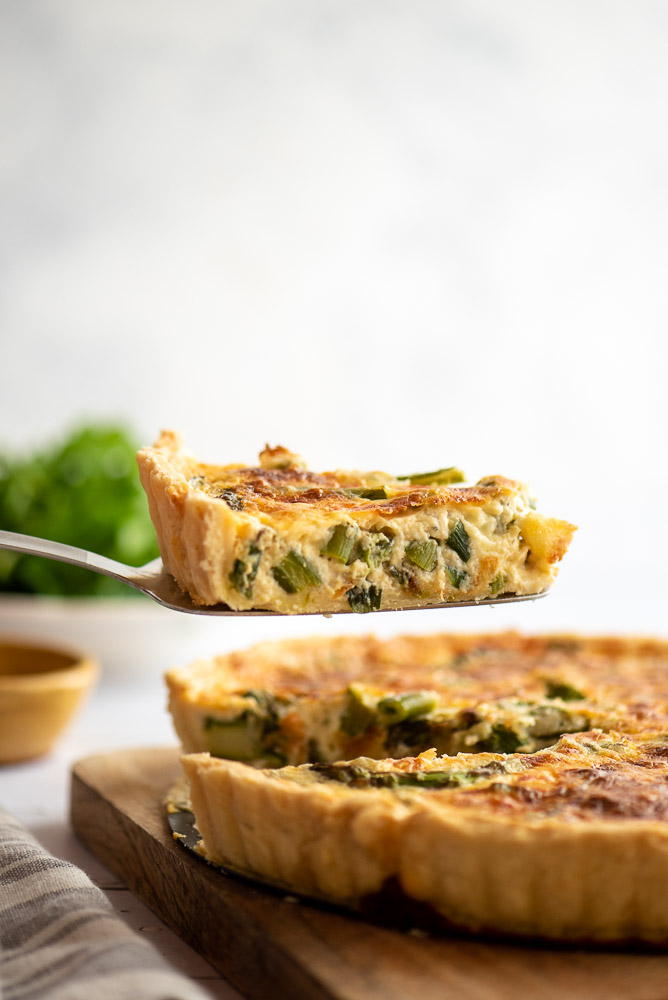
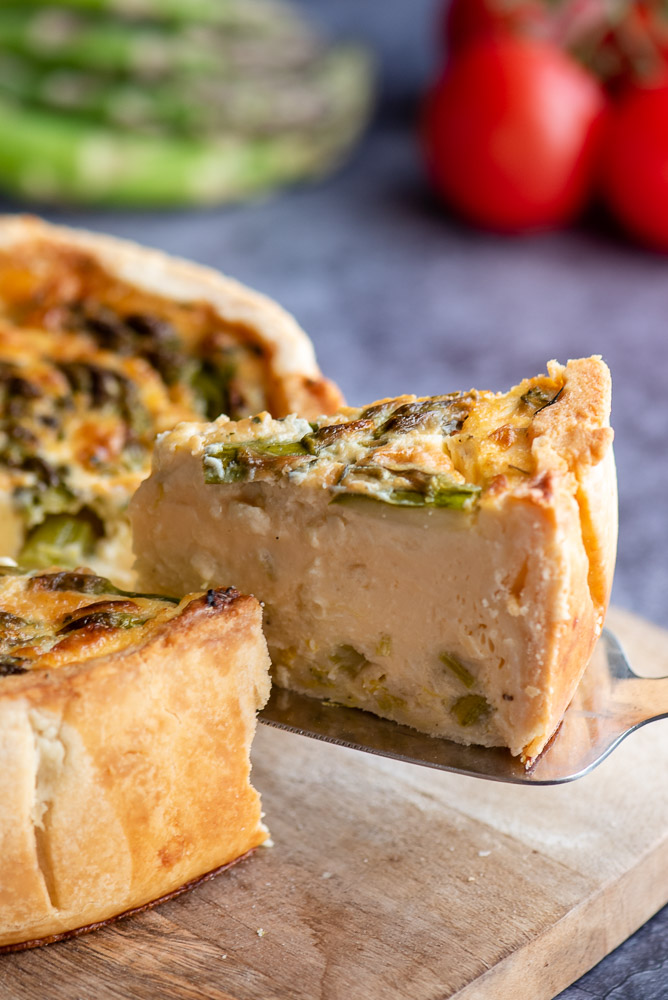
A classic savoury quiche filled with tender asparagus, leeks and a creamy egg custard in crisp pastry.

Navigate the recipe
On this page
The recipe, step by step
This is a fantastic asparagus and leek quiche recipe that you’ll love to have in your kitchen repertoire. Make it into a classic or deep pan form.
A shortcrust pastry base with an egg custard, filled with your favourite meat and vegetables, quiche is the perfect all-in-one dish.
If you are tight for time, you could use a shop-bought shortcrust pastry or puff pastry, but the homemade version tastes so much better and it’s so simple to prepare. Also, if you want to make a gluten-free or dairy free option see my variations section for replacements.
CONTENTS
RECIPE HIGHLIGHTS
- EASE: easy and great for freezing.
- FREE FROM: this recipe is nut-free.
- TASTE & TEXTURE: a delicious buttery crust, with a silky cream custard and your favourite filling.
- SERVING: goes great with a salad or some homemade chips.
INGREDIENTS
For this recipe, all you need are these ingredients:
- Plain or all-purpose flour – is ideal for the pastry as it does not contain high levels of gluten.
- Butter – gives the pastry a nice rich buttery taste. Chill the butter to ensure the pastry dough remains cold during preparation.
- Medium eggs – are ideal for making the custard. Make sure they are at room temperature before you start.
- Milk – gives the custard a light texture and when combined with the cream it makes it that little bit indulgent.
- Double or heavy cream – gives the custard a nice rich silky texture. If you don’t want to use cream, simply swap it for the same amount of extra milk.
- Asparagus and leeks – are my choice of filling for my quiche but check out the variations section for further ideas.
- Thyme – adds a nice mellow taste to the custard, but feel free to change it for your favourite herb or spice.
- Cheddar cheese – is one of my favourite hard cheeses to use in baking and is easy to find.
- Salt – elevates the ingredients’ flavours, bringing out the best characteristics of any recipe.
WHAT VARIATIONS CAN I MAKE?
Quiche is so versatile and it is pretty much a blank canvas for all your favourite vegetables, meats, fish and cheeses. Here are a few suggestions:
Most vegetables will work. If you choose a vegetable that typically releases a lot of moisture such as mushrooms, courgettes, leeks, broccoli or butternut squash, it is best if they are pre-cooked prior to baking. Other great vegetable suggestions include spinach, swiss chard, kale, asparagus, peppers, onions and tomatoes to name a few.
- Fish and seafood – such as a mix or mussels, prawns, clams work great and are best pre-cooked. One of my favourites is smoked salmon.
- Meats – are best used cooked. Ham, bacon or diced chicken are all delicious.
- Cheeses – such as cheddar, mozzarella, feta or blue cheese add a whole other level to this dish.
- Herbs – fresh or dried are also great additions and will give that extra boost of flavour.
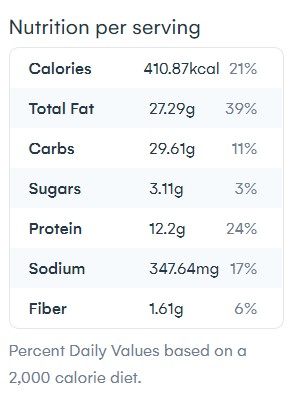
NUTRITION
Serving: classic quiche slice
STORAGE AND FREEZING
This quiche will keep well for up to 5 days in the fridge and can be eaten cold or warm, I just place it in a pre-heated oven for a few minutes.
Freezing: Quiche is ideal to have made ahead in the freezer. Once baked it can be frozen whole or sliced up into individual portions. Once defrosted I find it is best to reheat it in the oven for a few minutes.


TOOLS YOU’LL NEED
Here is a list of some kitchen equipment that I use and recommend for this recipe.
I like the sturdiness of this bowl and its 4-litre capacity means I can use it for mixing just about everything in the kitchen. It is also microwave, freezer, and dishwasher safe.
These different size mixing bowls are really useful depending on the amount of food you are preparing. They also have airtight lids that fit snugly to seal and keep food fresh, great for using as dry storage bowls with lids. The plastic lid of the largest bowl has a removable centre, where one of 3 graters can be used for grating cheese or vegetables.
These springform pans make removing cakes from them after baking a doddle. I personally tend to line them as often as possible to ensure that my cakes don’t break for added security.
I like to use this type of pan for pies that I am going to serve out of the tin on a plate.
RECIPE TIPS
To avoid the pastry shrinking, make sure to rest the dough once you’ve made it and again after you’ve placed it in the baking form.
In order to avoid spilling the filling, fill the pastry shell 2/3 full of the custard and then place the quiche into the oven. You can then top up the quiche with the remaining custard.
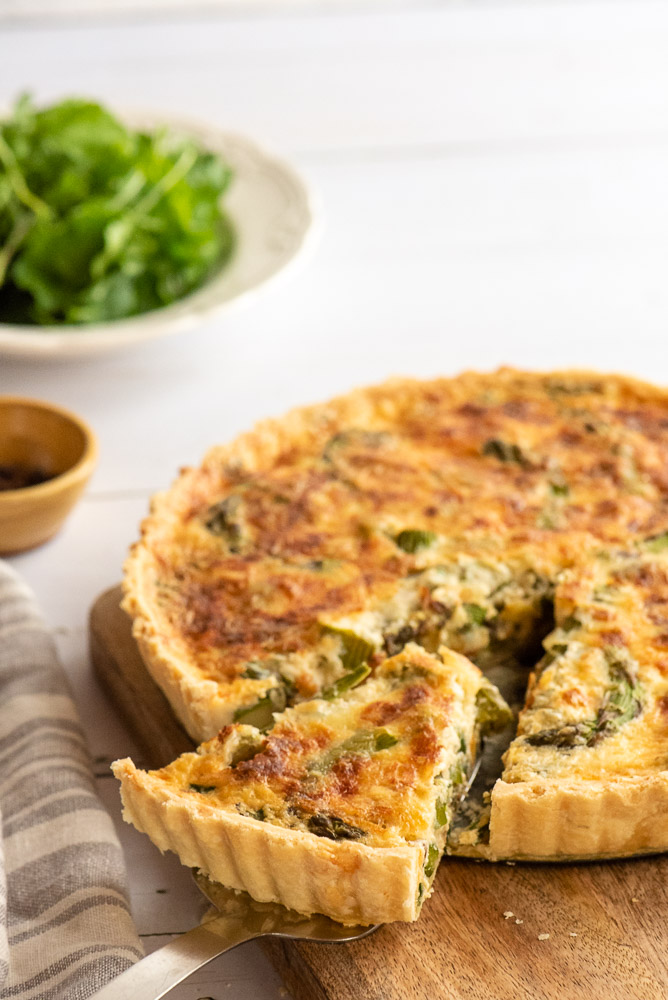
Classic Quiche
- 25cm ceramic dish or tart tin
INGREDIENTS LIST
Shortcrust pastry
- 250 g plain flour (all-purpose)
- 125 g butter (cold and diced)
- 1/2 tsp fine sea salt
- 1 medium egg (two egg yolks)
- 2-3 tbsp water (40 ml cold)
Custard filling:
- 4 medium eggs (200g total)
- 125 ml double or heavy cream
- 250 ml milk
- 1/2 tsp fine sea salt
- pinch of ground white or black pepper
Filling:
- 1 tbsp butter or olive oil
- 250 g asparagus (tips removed and the remainder sliced into small 1cm rounds)
- 150 g leeks (sliced)
- 1/2 tsp thyme (fresh or dried)
- 1 tbsp plain flour (all-purpose)
- season with salt and ground pepper to taste
- 100 g grated cheddar cheese
Preparation
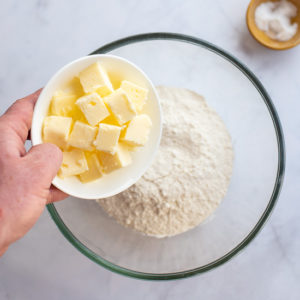
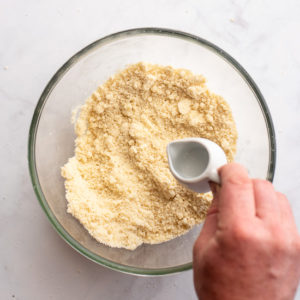
- Pastry: Sift the flour and salt into a large bowl, add the diced butter and rub in with your fingertips until the mixture resembles fine breadcrumbs. Try not to overwork the dough as it will start to warm and become too elastic and shrink when baked. It is because we don't want the dough overheating that I don't recommend using a food processor for this type of pastry.
- Add the egg (if using) and enough cold water to bring the dough together. (If you decide not to use the egg you may not need so much water) Knead the dough 2 or 3 times with the palm of your hand. If the dough is not coming together you can add an extra tablespoon of water.
- The key to a good shortcrust dough is keeping it cold and not overhandling it. Shape the dough into a flat disk, wrap in greaseproof paper or cling film and place in the fridge for at least 1/2 hour to relax the gluten.
- Rolling the pastry: Remove the dough from the refrigerator and roll it out to about 5mm / (1/4 inch) thickness and about 5cm (2 inches) wider than the circumference of your fluted flan dish or pan. Roll up the dough around your rolling pin and unroll it over your pan. Lift the edges gently and press the dough into the sides of the pan.
- Once the dough is flush with the top sides of the pan you can decide how you would like to finish it. When making tarts, I make sure the dough has rested for a long time, this way the dough is less likely to shrink during baking. Trim the top edge using a sharp knife.
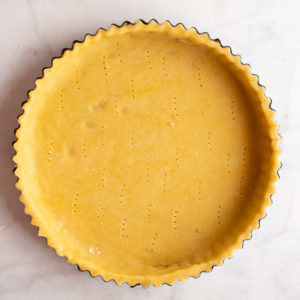
- Place the tart shell in the freezer or the fridge for 30 minutes to rest.
- Pre-heat your oven to 180°C fan / 400°F / Gas 6.
- Blind baking: Remove the shell for the freezer and prick the base with a fork (this helps to stop the pastry rising unnecessarily during baking).
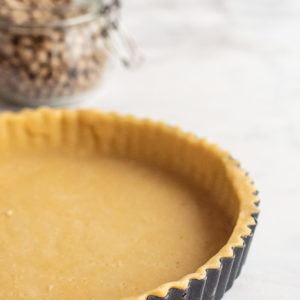
- Next, place a piece of pre-crumpled baking paper inside and fill to the rim with baking beans.
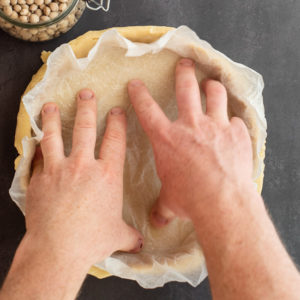
- Par-bake the tart for 25 minutes. Remove the parchment paper with the beans and continue to bake for another 5-10 minutes or until the pastry is a pale golden colour.

- Allow the tart shell to cool completely.
- Filling: Prepare the leeks and the asparagus.
- In a large frying pan, add the butter, leeks, salt and thyme.
- Cook the leeks for about two minutes then add the sliced asparagus. Continue to cook for 5 minutes until they have softened and stir in the flour, then remove the pan from the heat and leave to cool.
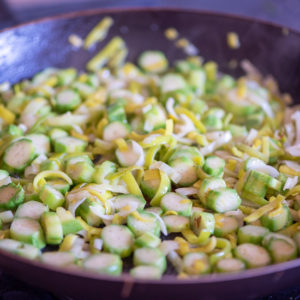
- Custard: In a large mixing bowl, whisk the eggs, milk, cream, salt and ground pepper together.
- Pre-heat your oven to 170°C fan / 375°F / Gas 5.
- Assembly: Trim off the excess crust from the top edge of the tart shell using a sharp serrated knife.
- Add the filling to the bottom of your pastry shell and gently pour the custard mixture over the filling until the tart shell is just about full, stopping about 3-4 millimetres from the top of the shell. Alternatively, fill it 3/4 full then transfer to the oven before filling with the remaining custard.
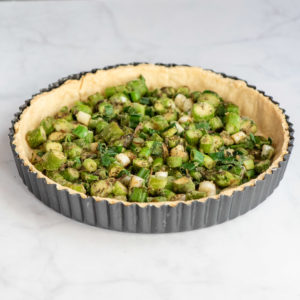
- Top the custard with the asparagus tips and the cheddar cheese.

- Baking: Place the quiche on the tray into the centre of your oven and bake for 35-40 minutes, until the edges of the quiche are completely set and the centre is still a bit ‘jiggly.’
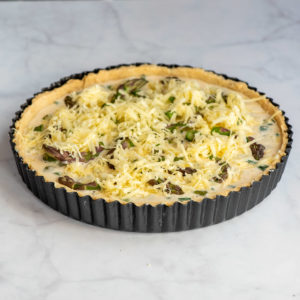
- Remove from the oven and leave to cool.
FROM MY KITCHEN TO YOURS
Made this recipe?
I would love to hear how it turned out. Leave a comment and add a star rating to help other home cooks discover the recipe.
A recipe worth keeping
Save this recipe for another day
Pin it to one of your boards and keep it close for the next time you are ready to cook or bake.
Save to PinterestKeep cooking
You may also like
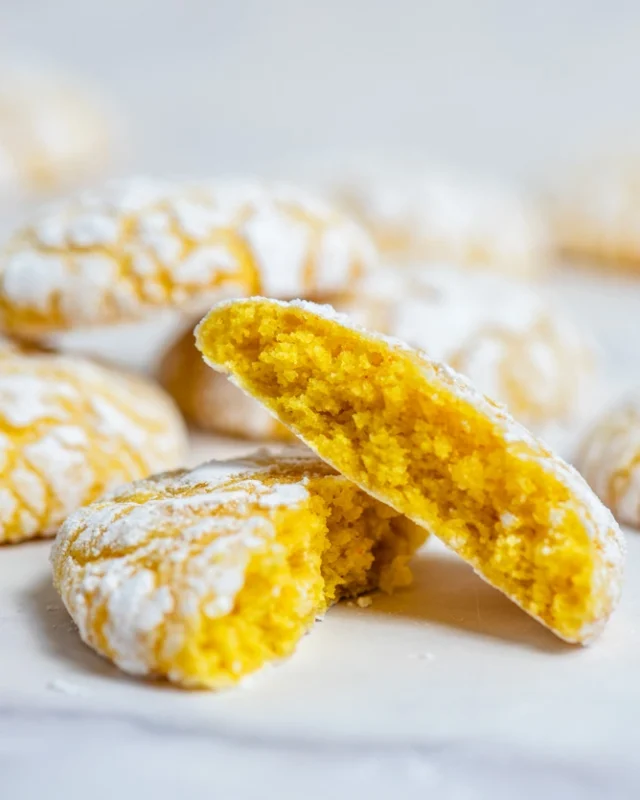 Recipe
Lemon Crinkle Cookies
Soft lemon crinkle cookies with snowy cracked tops and a bright, refreshing citrus flavour.
View recipe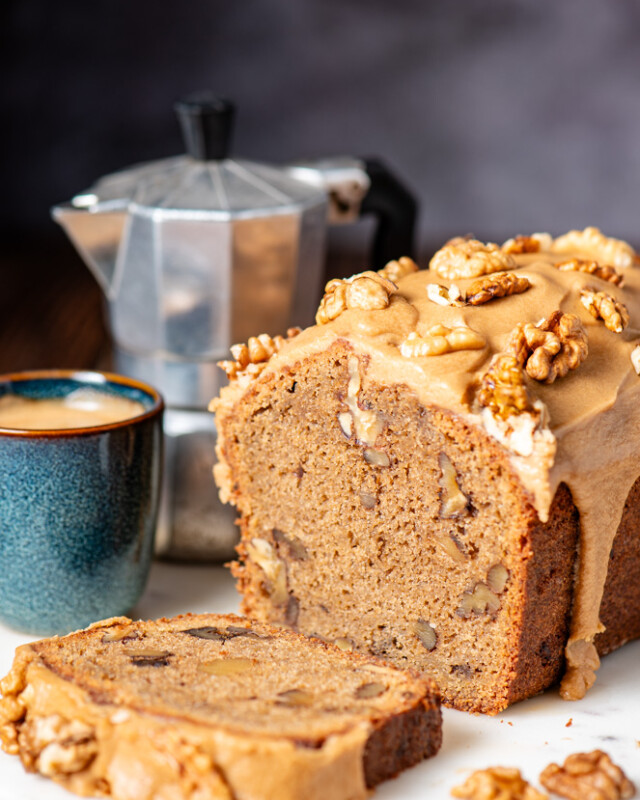 Recipe
Coffee & Walnut Loaf Cake
A moist coffee and walnut loaf cake finished with a smooth espresso and vanilla glaze.
View recipe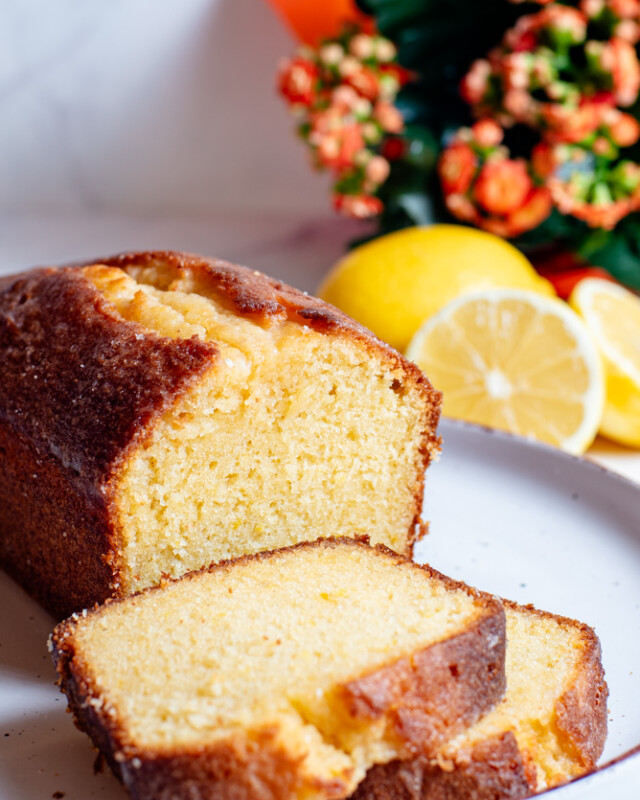 Recipe
Lemon Drizzle Cake
A moist buttery sponge soaked with bright lemon syrup and finished with a sweet citrus glaze.
View recipe
Around the table
Questions and kitchen notes
Made this recipe? Leave a rating and tell me how it turned out. Your questions and tips may also help the next person making it.