
From Nigel's Kitchen Table
Lemon Drizzle Cake
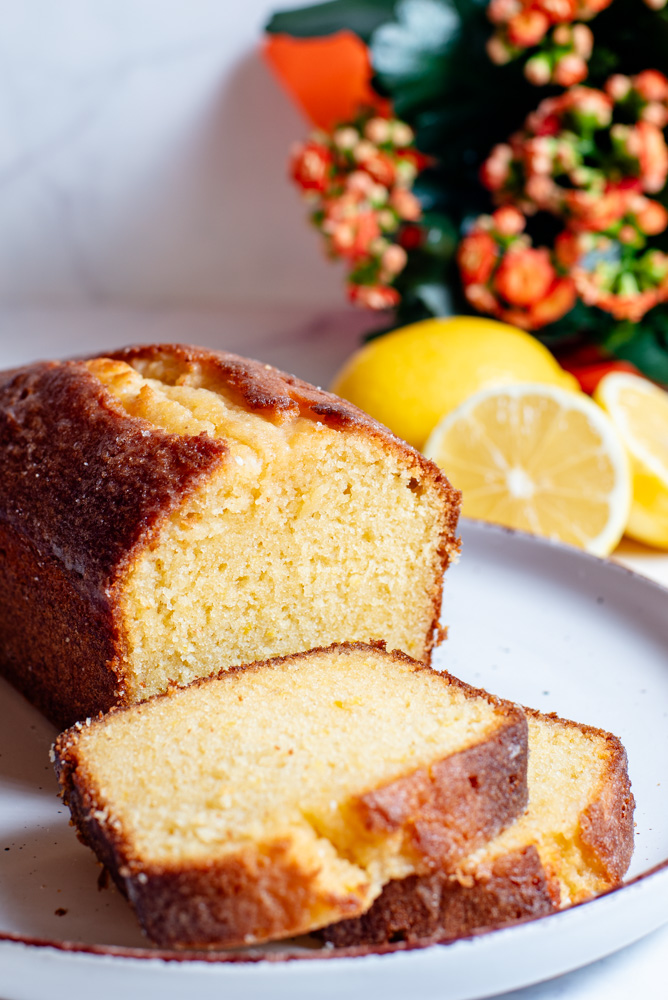
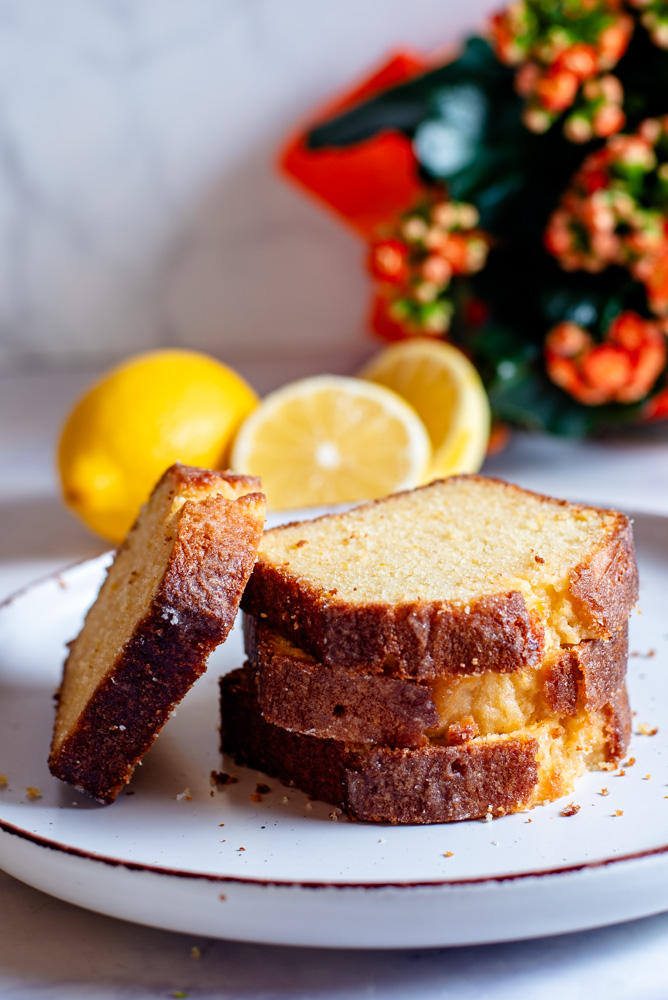
A moist buttery sponge soaked with bright lemon syrup and finished with a sweet citrus glaze.
Navigate the recipe
On this page
The recipe, step by step
This lemon drizzle cake is irresistible if you love fresh, zingy citrus flavours. The buttery sponge is soft and moist, with plenty of finely grated lemon zest running through it. As soon as the loaf comes out of the oven, it is pricked all over and a sharp-sweet lemon syrup is poured across the top, allowing it to soak right into the warm cake.
It is one of those wonderfully simple loaf cakes that delivers far more flavour than the effort involved. The cake batter itself is made in one bowl, while the lemon syrup needs only icing sugar and freshly squeezed lemon juice.
Serve a slice with a cup of tea, fresh raspberries or simply as it is. For another citrus loaf, try my Orange and Poppy Seed Cake, or take the lemon flavour even further with my homemade lemon curd.
Recipe Highlights
- Easy to make: The cake batter is prepared in one bowl.
- Flavour: Fresh lemon zest throughout the sponge with a sharp-sweet lemon drizzle soaked into the top.
- Texture: Buttery and moist with a soft crumb.
- Simple finish: No elaborate decoration is needed; the lemon syrup does all the work.
- Versatile: Try lime, grapefruit, blueberries, poppy seeds or an added layer of lemon curd.
- Quantity: Makes 12 slices.
- Time: 10 minutes preparation and 55 minutes baking, approximately 1 hour 5 minutes total. Allow up to 60 minutes in the oven if needed.
What Is a Lemon Drizzle Cake?
Lemon drizzle cake has its roots in the traditional loaf-style butter cake. Classic pound cakes were made using equal weights of butter, sugar, eggs and flour, producing a rich and comparatively dense sponge.
Modern versions often adjust those proportions and use raising agents such as baking powder to create a lighter texture.
What makes a lemon drizzle cake distinctive is what happens immediately after baking. The warm sponge is pierced all over before a mixture of lemon juice and sugar is poured across the top. The liquid sinks into the cake, intensifying the lemon flavour and helping keep the crumb beautifully moist.
What Is the One-Bowl Method?
The one-bowl method simply means preparing the cake batter in a single mixing bowl rather than combining wet and dry ingredients separately.
For this recipe, the butter and sugar are creamed first, followed by the eggs, milk and lemon zest. Finally, the flour, baking powder and salt are folded through.
The lemon drizzle itself is mixed separately while the cake is baking.

Ingredients and Substitutions
Lemon Cake
- Butter: Use 250 g butter, softened to room temperature. It should be soft enough that your finger leaves a slight indentation but should not look melted, greasy or oily.
- Caster sugar: Use 250 g. It sweetens the sponge and contributes to its structure.
- Eggs: Use 3 medium eggs. Room-temperature eggs combine more easily with the creamed butter mixture.
- Lemons: Use 2 organic unwaxed lemons, finely zesting them and reserving their juice for the drizzle. Unwaxed lemons are particularly useful here because the zest is going directly into the cake.
- Milk: Use 150 ml. It adds moisture and helps create a softer crumb.
- Plain flour: Use 250 g plain or all-purpose flour to give the cake its structure.
- Fine sea salt: Use ½ teaspoon. Salt balances the sweetness and helps the fresh lemon and buttery flavours stand out.
- Baking powder: Use 1½ teaspoons to give the cake lift and create a lighter crumb.
Lemon Syrup
- Icing sugar: Use 100 g.
- Fresh lemon juice: Gradually add enough juice from the 1–2 lemons to dissolve the icing sugar and form a thin drizzle. The exact amount needed will depend on how juicy your lemons are.
How to Make Lemon Drizzle Cake
1. Preheat the oven: Preheat the oven to 180°C / 160°C fan / 350°F / Gas 4.
2. Prepare the tin: Grease and line a 900 g (2 lb) loaf tin with baking parchment.
3. Cream the butter and sugar: Place the softened butter and caster sugar in a large mixing bowl. Using an electric hand mixer, beat for approximately 1–2 minutes, until very light and fluffy.
4. Add the eggs: Beat in the eggs one at a time, mixing well after each addition.
5. Add the milk and lemon zest: Mix in the milk and the finely grated zest from the 2 lemons.
6. Add the dry ingredients: Add the plain flour, baking powder and salt. Gently fold everything together until just combined.
7. Fill the tin: Spoon the mixture into the prepared loaf tin and smooth the surface until level.
8. Bake: Place on the middle shelf of the preheated oven and bake for 55–60 minutes, until golden and a toothpick or skewer inserted into the centre comes out with only a sticky crumb or two attached.
9. Protect the top if necessary: Keep an eye on the loaf towards the end of baking. If it is becoming too brown before the centre is ready, loosely cover the top with a piece of folded foil and continue baking.
10. Make the lemon syrup: While the cake is baking, place the 100 g icing sugar in a bowl. Gradually mix in enough freshly squeezed lemon juice to dissolve the sugar and form a thin drizzle.
11. Prick the cake: As soon as the cake comes out of the oven, leave it in the tin and use a toothpick or skewer to make small holes all over the top.
12. Add the lemon drizzle: Slowly pour the lemon syrup over the hot cake, allowing it to soak through the holes and into the sponge.
13. Cool completely: Leave the cake to cool completely in the loaf tin. You can place the tin on a wire rack to help it cool more evenly.

Nigel’s Recipe Tips
Use properly softened butter. Butter that is too cold will not cream properly, while melted or greasy butter will alter the texture of the sponge.
Use unwaxed lemons. Since the zest is an important part of the cake, unwaxed lemons are preferable.
Do not overmix once the flour is added. Fold only until no obvious streaks of flour remain. Overworking the batter can make the finished cake tougher.
Watch the cake towards the end. Loaf cakes can brown on top before the centre is completely baked. A loose foil tent protects the surface while the middle finishes cooking.
Do not open the oven too early. Avoid opening the oven during the early stages of baking, as a sudden drop in temperature can contribute to the centre sinking.
Add the drizzle while the cake is hot. The warm sponge absorbs the lemon syrup far more readily.
Leave the cake in the tin while adding the syrup. The tin supports the cake while it is hot and saturated with the drizzle.
Cool it completely before removing it. The freshly drizzled cake is delicate while warm and can break apart if removed from the tin too soon.
Variations
Lemon and Poppy Seed
Add 2 tablespoons poppy seeds when folding in the flour.
Blueberry Lemon Drizzle Cake
Fold 100 g fresh blueberries gently through the finished batter before transferring it to the loaf tin.
Frozen blueberries can also be used, although they may bleed more colour into the sponge.
Lime or Grapefruit
Replace the lemon zest and juice with fresh lime or grapefruit for a different citrus flavour.
For another citrus variation, try my Orange and Poppy Seed Cake.
Gin or Limoncello
For an adult variation, add a small measure of gin or Limoncello to the lemon drizzle.
Lemon Curd
For even more lemon flavour, use my homemade lemon curd.
Pour half of the cake batter into the prepared tin and level it. Spoon lemon curd in a line along the centre, cover with the remaining cake batter and continue with the recipe.
Decorating
The lemon drizzle is deliberately simple, but there are several ways to make the finished loaf a little more decorative.
Lemon Syrup Drizzle
This is the finish used for the main recipe:
- 100 g icing sugar
- Juice of 1–2 lemons
Gradually stir lemon juice into the icing sugar until it dissolves and forms a thin drizzle.
Pour it over the freshly baked cake while it is still hot so it can soak into the sponge.
Lemon Icing
For a more visible icing on top of the cooled loaf, use:
- 120 g icing sugar
- 1½ tablespoons lemon juice, approximately 22 ml
- 1 tablespoon double cream
Mix until smooth and thick but still pourable. Spoon over the completely cooled cake, spread gently with a spatula and leave to set before slicing.
Buttercream or Cream Cheese Frosting
For a more decorative cake, use Vanilla Buttercream or Cream Cheese Frosting.
Add finely grated lemon zest to complement the cake and pipe or spread the frosting over the completely cooled loaf.
Frequently Asked Questions
Why Do You Pour the Drizzle Over a Hot Cake?
The warm sponge readily absorbs the lemon syrup through the holes made with the skewer. This distributes the lemon flavour through the top of the loaf rather than leaving all of the syrup on the surface.
Why Did My Lemon Drizzle Cake Sink?
Opening the oven too early, underbaking the centre or a sudden temperature change can contribute to a loaf sinking.
Leave the oven door closed for most of the baking time and check that the centre is properly baked before removing the cake.
How Do I Know When It Is Baked?
The loaf should be golden and a skewer inserted into the centre should come out with only a sticky crumb or two attached.
Allow 55–60 minutes, checking towards the end of the baking time.
Can I Use Bottled Lemon Juice?
Fresh lemons are important here because the recipe uses both the zest and juice, so freshly squeezed juice is the better choice.
Can I Make Lemon Drizzle Cake Ahead?
Yes. The cake keeps well for a couple of days when stored properly, making it a useful bake to prepare in advance.
Tools You’ll Need
- Large mixing bowl
- Electric hand mixer
- Spatula
- Citrus zester or fine grater
- Citrus juicer
- 900 g (2 lb) loaf tin
- Baking parchment
- Toothpick or skewer
- Wire cooling rack
- Digital kitchen scales

Storage and Freezing
Storing
Once completely cool, keep the lemon drizzle cake in an airtight container in a cool place for 2–3 days.
There is usually no need to refrigerate the plain lemon-drizzle version, as refrigeration can make the sponge firmer.
If you decorate it with a topping that requires refrigeration, such as cream cheese frosting, store it accordingly and allow the cake to come towards room temperature before serving for the best texture.
Freezing
For the best result, freeze the cake without the lemon drizzle.
Once completely cool, wrap the unglazed loaf well in baking parchment and an outer layer of cling film, or place it in a suitable freezer-safe bag or container.
Defrost at room temperature while still wrapped. Once thawed, prepare the lemon drizzle and pour it over the cake.
The finished drizzled cake can also be frozen, but the cold temperature can make the syrup-soaked crumb noticeably firmer after thawing.
Nutrition
Serving: 1 slice (1/12 of the cake)
Calories: 365 kcal · 18% DV
Total Fat: 18.6 g · 27% DV
Carbohydrates: 46.4 g · 18% DV
Sugars: 29.8 g · 33% DV
Protein: 4.2 g · 8% DV
% Daily Values are based on a 2,000-calorie diet.
Nutritional information is provided as an estimate and may vary depending on the exact ingredients, brands and serving size used.

Lemon Drizzle Cake
INGREDIENTS LIST
- 250 g butter (softened)
- 250 g caster sugar
- 3 medium eggs
- 2 organic unwaxed lemons (finely grated zest and juice )
- 150 ml milk
- 250 g plain flour (all-purpose) (all-purpose)
- ½ tsp of fine sea salt
- 1½ tsp baking powder
Lemon syrup
- 100 g icing sugar
Preparation
- Preheat your oven to 180°C / 160°C fan / 350°F / Gas 4. Grease and line a 2-pound loaf tin/pan (900g) with baking or parchment paper.
- In a large bowl, using a hand mixer, beat the butter and sugar together until the mixture is very light and fluffy. Approx. 1-2 minutes.
- Add the eggs one at a time, beating well after each addition.
- Mix in the milk and the zest of the two lemons.
- Gently fold in the flour, baking powder, salt, and mix until combined.
- Spoon the mixture into the prepared loaf tin and smooth the surface of the cake batter to level it.
- Baking: Place in the pre-heated oven and bake for 55-60 minutes until golden and a toothpick or skewer comes out with a sticky crumb or two attached. Watch it carefully as it has a tendency to easily over bake. If it is getting to brown, place a folded piece of foil over the top of the cake like a tent. This will help prevent it from bronwing further.
- Lemon syrup glaze: Meanwhile, gradually mix enough lemon juice with the icing sugar until it dissolves to form a thin paste. Depending on the quality of your lemons this could be one or both of the lemons.
- As soon as the cake comes out of the oven, use a toothpick or skewer to prick holes all over the top of the cake and pour over the lemon syrup.Leave to cool completely in the tin, you can place the tin on top of a wire rack to help it cool faster.
Notes & Tips
FROM MY KITCHEN TO YOURS
Made this recipe?
I would love to hear how it turned out. Leave a comment and add a star rating to help other home cooks discover the recipe.

A recipe worth keeping
Save this recipe for another day
Pin it to one of your boards and keep it close for the next time you are ready to cook or bake.
Save to PinterestKeep cooking
You may also like
 Recipe
Chocolate Chia Pudding
A creamy vegan chocolate chia pudding topped with rich hazelnut fudge sauce for a simple, satisfying dessert or breakfast.
View recipe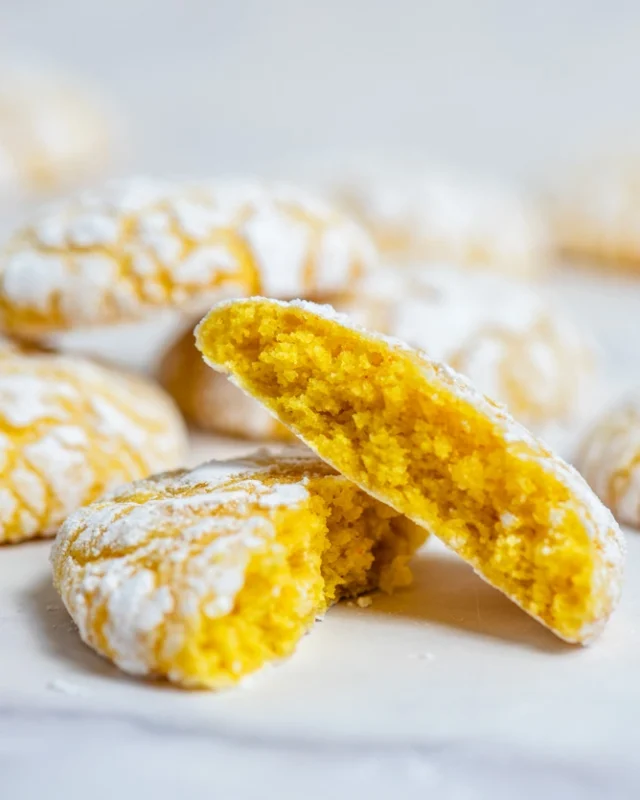 Recipe
Lemon Crinkle Cookies
Soft lemon crinkle cookies with snowy cracked tops and a bright, refreshing citrus flavour.
View recipe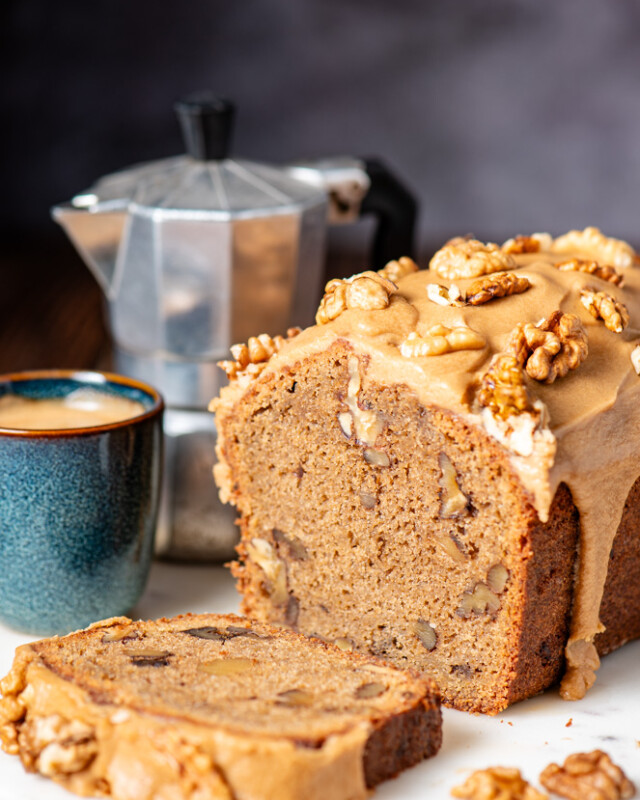 Recipe
Coffee & Walnut Loaf Cake
A moist coffee and walnut loaf cake finished with a smooth espresso and vanilla glaze.
View recipe
Around the table
Questions and kitchen notes
Made this recipe? Leave a rating and tell me how it turned out. Your questions and tips may also help the next person making it.