
From Nigel's Kitchen Table
Homemade Naan Bread
Soft, fluffy homemade naan bread made with a few simple ingredients, ideal for curries, grilled fillings and dipping into sauces.
Navigate the recipe
On this page
The recipe, step by step
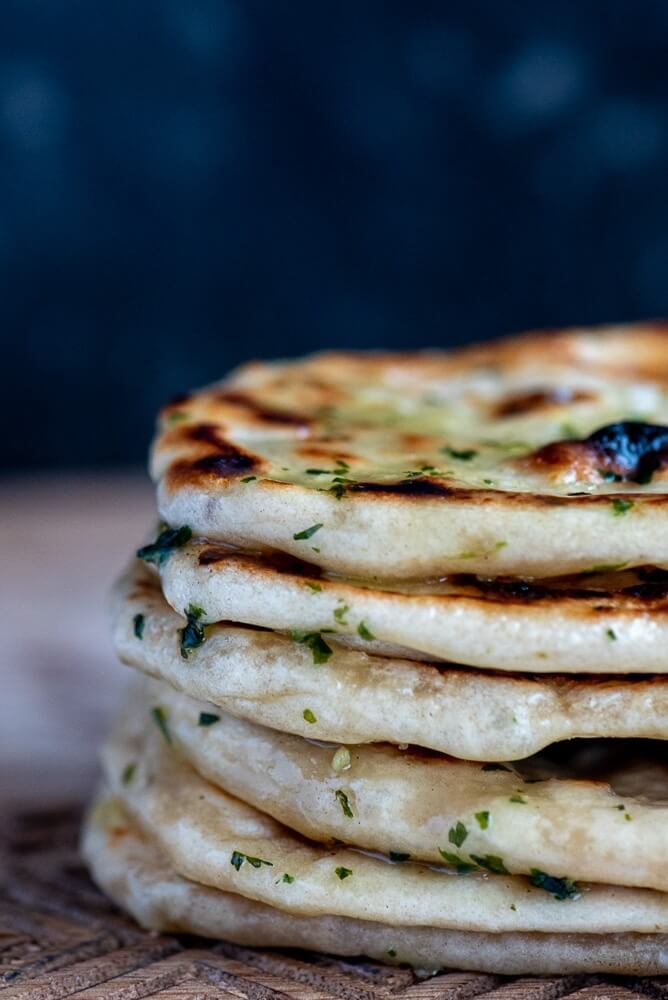
These homemade naan breads are soft, fluffy and completely delicious. Enjoy them warm on their own, use them to scoop up rich curries and sauces, or fill them with grilled meat and vegetables for an easy meal.
They require only a handful of simple ingredients and are much easier to make at home than you might expect.
I have included not one but two naan bread recipes, along with vegan alternatives. The first uses yeast, which gives the naan an especially soft, light and fluffy texture. The second uses baking powder instead, making it a much quicker option when you do not have time to leave the dough to rise.
Both versions taste wonderful when brushed with melted butter and topped with garlic and fresh coriander.
Naan is closely associated with the cuisines of northern India and surrounding regions. Traditionally, the dough is stretched and slapped against the extremely hot inner wall of a clay tandoor oven, where it cooks quickly and develops its characteristic bubbles and charred patches.
You do not need a tandoor to make delicious naan at home. A very hot frying pan or skillet will create a beautifully soft bread with toasted, lightly charred areas.
Why You’ll Love This Homemade Naan Bread
- Soft, fluffy and chewy
- Made with a handful of simple ingredients
- Includes both yeast and quick baking-powder methods
- Easy to cook in a frying pan
- Includes vegan alternatives
- Delicious with garlic and coriander butter
- Ideal for curries, grilled meats and vegetables
- Suitable for freezing
Recipe Highlights
- Ease: Easy.
- Taste: Buttery garlic and coriander with lightly toasted, charred notes.
- Texture: Fluffy, pillowy soft and pleasantly chewy.
- Quantity: Approximately 12 naan breads.
- Time: Approximately 1 hour and 43 minutes for the yeast version.
Two Ways to Make Naan Bread
Yeast Naan Bread
The yeast version requires additional resting time, but it produces an especially light, soft and fluffy naan. As the yeast ferments, it releases carbon dioxide into the dough. The developed gluten traps these bubbles, causing the dough to expand and creating a lighter texture.
Quick Naan Bread Without Yeast
The second recipe uses baking powder rather than yeast. It does not require the same lengthy rising time, making it ideal when you want freshly cooked naan more quickly. The finished bread may have a slightly different texture from the yeast version, but it is still soft and delicious.
Scroll down to the end find the second recipe.
Ingredients
For this naan bread recipe, you will need the following ingredients:
- Yeast – Yeast helps the dough rise and creates a light, airy texture. Make sure the yeast is still active and has not passed its expiry date. The type required and exact method will be specified in the recipe card.
- White Bread Flour – White bread flour is made from higher-protein wheat and generally contains more gluten-forming proteins than plain flour. This helps create an elastic dough that can stretch without tearing and gives the cooked naan its characteristic soft, chewy texture.
- Fine Sea Salt – Salt enhances the flavour of the dough and balances its subtle sweetness. Measure it according to the recipe, as salt also affects the activity of the yeast.
- Caster or Granulated Sugar – Sugar adds a small amount of sweetness and provides food for the yeast during fermentation. It also encourages the naan to develop lightly browned areas as it cooks.
- Natural Yoghurt – Natural yoghurt adds moisture, tenderness and a subtle tang to the dough. For vegan naan bread, use a plain, unsweetened non-dairy yoghurt.
- Olive Oil – Olive oil makes the dough softer, more supple and easier to handle. It also adds flavour and helps the cooked naan remain tender. A neutral-flavoured oil can be used when you prefer a milder taste.
- Butter – Melted butter adds richness and flavour to the finished naan. I often use salted butter because it intensifies the flavour, although unsalted butter can also be used. For a vegan version, replace it with a suitable plant-based butter or a little olive oil.
- Garlic – Garlic adds a warm, aromatic and slightly pungent flavour to the butter topping.
- Fresh Coriander – Fresh coriander leaves add colour, a citrus-like freshness and a distinctive aromatic flavour.

How to Cook Naan Without a Tandoor
- For the best homemade result, cook the naan in a very hot, heavy-based frying pan or skillet.
- Heat the dry pan thoroughly before adding the rolled dough. The intense heat creates bubbles and toasted patches while cooking the bread quickly enough to keep it soft.
- Cook each naan until bubbles appear and the underside develops browned or lightly charred areas. Turn it over and cook the second side briefly.
- Avoid cooking the naan for too long, as this can make it dry and crisp rather than soft and chewy.
- Brush the cooked naan with melted garlic and coriander butter while it is still warm.
Naan Bread Variations
These naan breads are easy to customise with different toppings and additions.
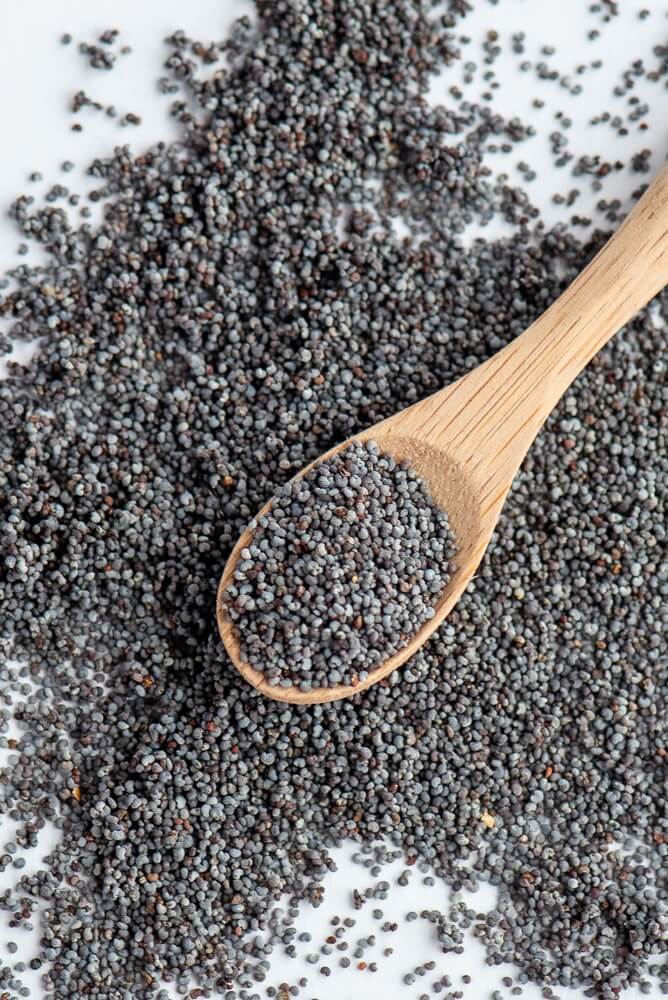
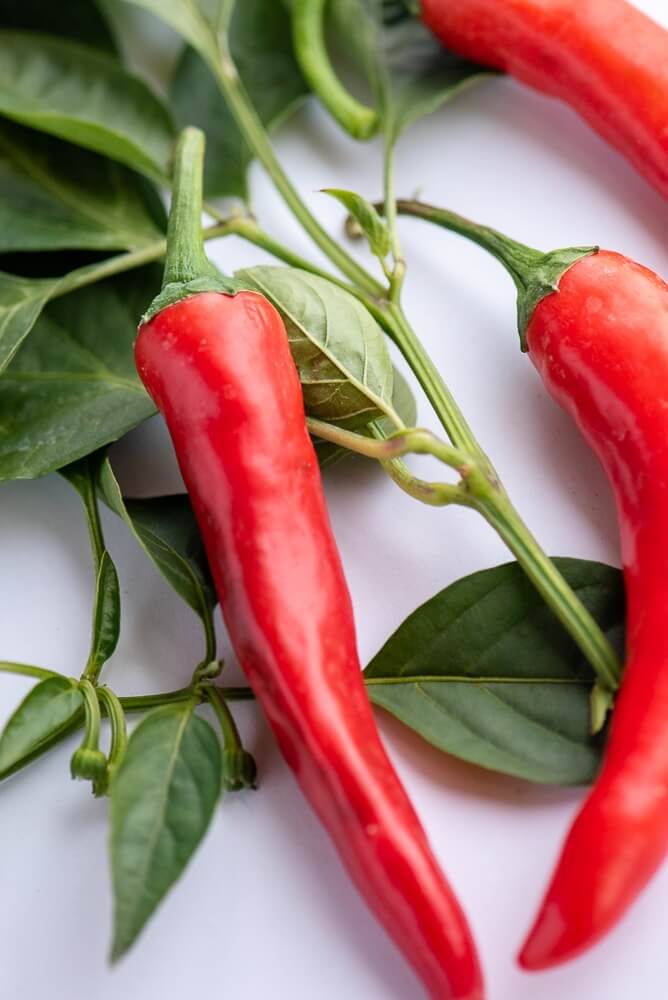
Add Seeds or Nuts – Try adding approximately two tablespoons of one of the following to the dough before incorporating the wet ingredients:
- Poppy seeds
- Sesame seeds
- Flaked or finely chopped almonds
Make sure larger pieces are small enough not to tear the dough when it is rolled or stretched.
Add Nigella Seeds – Nigella seeds, sometimes sold as kalonji or black onion seeds, are a classic topping for naan. Sprinkle them over the surface and press them gently into the dough before cooking.
Add Chilli – For a little heat, stir finely sliced red or green chillies into the melted butter. Chilli flakes can also be used and are easy to adjust according to your preferred level of spice.
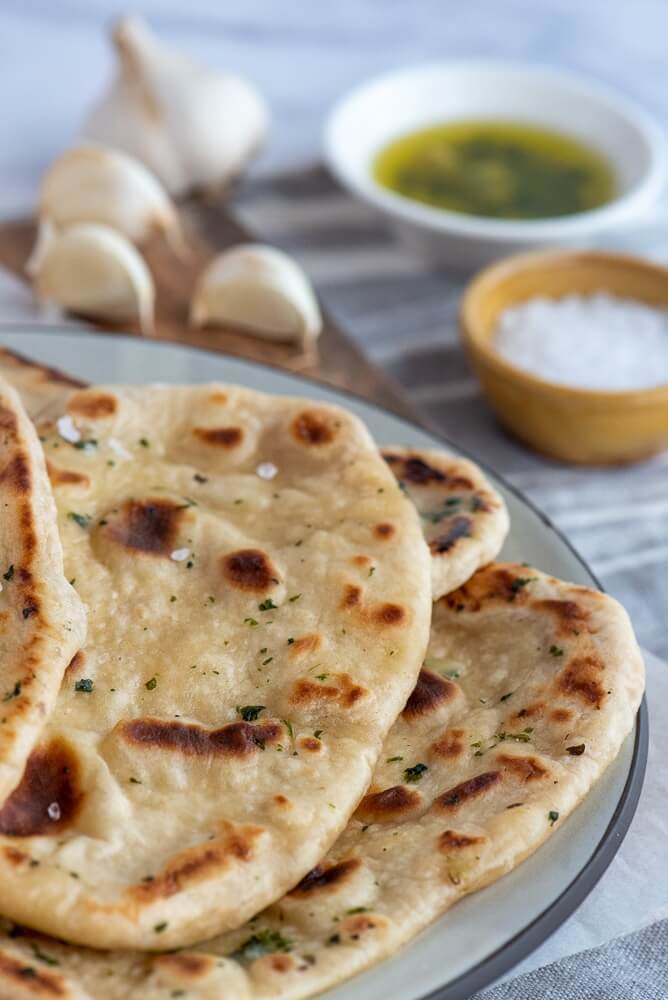
Garlic and Coriander Naan – Mix crushed garlic and finely chopped fresh coriander into melted butter, then brush it generously over each naan as soon as it comes out of the pan.
Vegan Naan Bread
Use unsweetened non-dairy yoghurt in the dough and replace the butter with plant-based butter or olive oil. Check that the yeast and any additional toppings are suitable for a vegan diet.
What to Serve with Naan Bread
Fresh naan is perfect for scooping up sauces and serving alongside dishes such as:
- Vegetable curries
- Chicken or lamb curries
- Lentil dhal
- Grilled or roasted vegetables
- Tandoori-style meats
- Kebabs
- Chickpea dishes
- Soups and stews
You can also slice the naan open and fill it with grilled meat, vegetables, salad and sauce.
Nutrition
Serving: one naan bread
Calories
195.3 kcal · 10% DV
Total Fat
5.1 g · 7% DV
Carbohydrates
31.2 g · 12% DV
Sugars
0.9 g · 1% DV
Protein
5.4 g · 11% DV
Sodium
742.1 mg · 37% DV
Fibre
1.1 g · 4% DV
% Daily Values based on a 2,000-calorie diet
Nutritional information is provided as a guide only. Values may vary depending on the exact ingredients, brands and serving sizes used.
Storage and Freezing
Naan is at its best when freshly cooked and still warm.
Allow any leftovers to cool completely, then place them in an airtight container. Store them at room temperature for up to two days.
To prevent the naan from drying out, avoid leaving it uncovered for long periods.
Reheat it briefly in a hot dry pan, oven or microwave before serving. Sprinkling it very lightly with water before reheating can help restore some of its softness.
Can You Freeze Naan Bread?
Yes. Homemade naan can be frozen for up to two months.
Allow the breads to cool completely, then stack them with a small piece of baking paper between each one to prevent them from sticking together. Place the stack inside a freezer-safe airtight container or zip-lock bag. Defrost the required number of naan at room temperature or overnight in the refrigerator, then reheat them until warm and soft.

Tools You’ll Need
Here is some of the kitchen equipment I use and recommend for making homemade naan bread:
- Baking paper
- Large mixing bowl
- Digital kitchen scales
- Measuring jug
- Wooden spoon or dough scraper
- Pastry brush
- Clean tea towel
- Rolling pin – I love this rolling pin! The removable guide rings make it much easier to roll biscuit dough, pizza dough and flatbreads to an even thickness, giving you consistent results every time.
- Frying pan – I recommend the Tefal Taste Twin Pack, which includes 20 cm and 28 cm non-stick aluminium frying pans that are excellent quality, quick and easy to clean, and great value for money.
- Wire Cooling Rack -I recommend this 40 × 25 cm cooling rack because it is ideal for cooling cakes, biscuits and other freshly baked treats. I find it so useful that I have a couple of them, especially when baking several batches at once. You can find it and more of my favourite baking equipment in my Amazon Baking Essentials collection.
Recipe Tips for the Best Naan Bread
Check That the Yeast Is Active
Fresh, active yeast is essential for a well-risen dough. Check the expiry date before you begin and follow the activation instructions for the type of yeast used in the recipe.
Use Warm, Not Hot, Liquid
Liquid that is too hot can damage or kill the yeast. It should feel comfortably warm rather than hot. When using a thermometer, follow the recommended temperature for your particular type of yeast.
Measure the Flour Carefully
Too much flour can make the naan dense and dry. For the most accurate results, weigh the flour using digital kitchen scales. The dough should be soft and slightly tacky rather than stiff.
Knead Until Smooth and Elastic
Kneading develops the gluten that gives the dough strength and elasticity. The finished dough should become smoother and should stretch without breaking immediately.
Allow the Dough to Rise Fully
Place the yeast dough somewhere warm and free from draughts. Rather than relying only on the clock, look for the dough to increase noticeably in volume. The exact rising time will depend on the temperature of your kitchen.
Avoid Adding Too Much Flour
A slightly sticky dough will usually produce softer naan. Use only a light dusting of flour when shaping and rolling. Adding too much can make the breads dry.
Divide the Dough Evenly
Divide the dough into equal portions so that the naan cook at approximately the same rate. Digital kitchen scales are useful when you want evenly sized breads.
Roll the Naan Thinly
Roll or stretch each portion into an oval or teardrop shape. The dough will puff while it cooks, so avoid leaving it excessively thick unless you prefer a more substantial naan.
Heat the Pan Thoroughly
The pan should be very hot before the dough is added. A pan that is not hot enough will cook the naan slowly, which can make it dry before the characteristic bubbles and charred patches develop.
Do Not Overcrowd the Pan
Cook one naan at a time unless your pan is large enough to hold more without the breads touching. This helps maintain the high temperature needed for quick cooking.
Keep the Cooked Naan Warm
Stack the cooked naan on a plate and cover them with a clean tea towel. The trapped steam will help keep them warm and soft while you cook the remaining batches.
Brush with Butter Immediately
Brush each naan with melted garlic butter as soon as it comes out of the pan. The warmth of the bread helps it absorb the flavour.
Do Not Overcook
The naan should have browned or charred patches but should remain soft and flexible. Cooking it for too long will make it hard and crisp as it cools.
Frequently Asked Questions
What Is Naan Bread?
Naan is a soft, leavened flatbread associated particularly with the cuisines of northern India and neighbouring regions. It is traditionally cooked against the hot inner wall of a clay tandoor oven.
Can I Make Naan Without a Tandoor?
Yes. A very hot heavy-based frying pan or cast-iron skillet produces excellent homemade naan. The intense heat helps create the bubbles and toasted patches normally associated with tandoor cooking.
What Is the Difference Between Yeast Naan and Baking-Powder Naan?
Yeast naan requires time for the dough to ferment and rise, creating a particularly light and airy texture. Baking-powder naan is quicker because it does not require the same fermentation time. Its texture may be slightly different, but it remains soft and enjoyable.
Can I Make Naan Without Yeast?
Yes. The second recipe uses baking powder instead of yeast and can be prepared more quickly. Scroll down to find the quick naan recipe.
Can I Make Vegan Naan Bread?
Yes. Use plain unsweetened non-dairy yoghurt and replace the butter with a suitable plant-based alternative or olive oil.
Why Is My Naan Bread Hard?
The dough may contain too much flour, the breads may have been rolled too thinly or they may have been cooked for too long. A pan that is not sufficiently hot can also make the naan dry because the dough takes longer to cook.
Why Didn’t My Naan Puff Up?
The pan may not have been hot enough, the yeast may not have been active or the dough may not have risen sufficiently. Rolling the dough too thinly or pressing it down while it cooks can also prevent larger bubbles from forming.
Can I Prepare the Dough in Advance?
Yeast dough can generally be prepared in advance and refrigerated after its initial rise, provided this fits the instructions in the recipe card. Allow chilled dough time to become easier to shape before cooking.
Can I Use Plain Flour Instead of Bread Flour?
Plain flour may work, but the naan may be slightly less chewy because it usually contains less protein than bread flour. Use only as much additional flour as needed to handle the dough.
How Do I Keep Naan Soft?
Avoid overcooking it, brush it with butter or oil while warm and stack the cooked breads beneath a clean tea towel. Store leftovers in an airtight container once completely cool.
Scroll down for the second naan bread recipe.
Naan Bread (with yeast)
INGREDIENTS LIST
- 260 ml water (lukewarm)
- 1 tsp caster sugar
- 15 g fresh yeast (5g dried yeast)
- 500 g white bread flour
- 1 tsp fine sea salt
- 100 g natural yoghurt or unsweetened non-dairy yoghurt (room temperature)
- 1 tbsp extra virgin olive oil (plus extra for kneading)
Garlic butter
- 50 g butter (vegan butter)
- 2-3 cloves garlic (crushed )
- 1 tbsp coriander (chopped)
- 1 tbsp flaky or rock salt
Preparation
- In a medium bowl, whisk the lukewarm water with the sugar and yeast until dissolved. Leave it to react while we prepare the remaining ingredients.
- In a large mixing bowl, sift the flour and salt.
- Add the yoghurt and 1 tablespoon of oil to the yeast mixture and mix well.Make a well in the centre of the flour and pour in the yeast mixture, stir with a fork. When the dough has come together and you can no longer stir it with the fork, leave it to rest for 15 minutes. This will allow a little time for the gluten to start working and make it a little easier to knead as it is very sticky.
- After the time has passed, turn out the dough onto a lightly oiled worktop. Start kneading the dough with your hands, oiling your hands several times as you go. The dough will be very sticky during the first few minutes, but as you continue kneading, it will stop sticking and become smooth, soft and pliable. The kneading process should take 5 to 6 minutes.
- Proving: Place the dough into a lightly oiled bowl, cover with a tea towel and leave in a warm, draft-free place for 30-45 minutes, until the dough at least doubles in size.
- After the dough has proved, divide the dough into 12 equal portions. I usually weigh mine to around 74g each but you can also do it visually.Shape 1 piece into a ball on a lightly floured work surface. Then using a rolling pin, roll each piece of dough into an oval shape about 3-5mm thick.Once formed, leave on the side under a tea towel while you repeat for the remaining dough pieces.
- Garlic butter: Make the garlic butter by melting the butter and adding the crushed garlic and coriander together in a bowl or small saucepan.
- Cooking: Place a cast-iron skillet or heavy-bottomed frying pan over a medium-high heat. (You may want to turn on your extractor fan or open a window, as it may get smoky.)
- Lay a naan into the hot skillet without any oil. Leave for approximately a minute until it starts to form bubbles on the surface and dries out around the edges. Flip the naan over and leave for another 30-60 seconds. You can check, every now and then to see if the base is charred. If your skillet is large enough, you can add more than one naan bread at a time, as long as they are not overlapping.
- Transfer the naan to a plate and brush with the garlic butter and sprinkle with a small pinch of flaky salt. Repeat the process with the remaining naan, adjusting the heat as necessary.
- Serve and eat while still fresh and hot! They can be kept warm in a low oven if needed.
FROM MY KITCHEN TO YOURS
Made this recipe?
I would love to hear how it turned out. Leave a comment and add a star rating to help other home cooks discover the recipe.

Traditional Naan Bread
INGREDIENTS LIST
- 500 g white bread flour
- 2 tsp baking powder
- 1 tsp caster sugar
- 1 tsp fine sea salt
- 260 ml water or milk
- 100 g natural yoghurt or unsweetened non-dairy yoghurt (room temperature)
- 1 tbsp extra virgin olive oil
Garlic butter
- 50 g butter (vegan butter)
- 2-3 cloves garlic (crushed )
- 1 tbsp coriander (chopped)
- 1 tbsp flaky or rock salt
Preparation
- In a large mixing bowl, sift the flour, salt, and baking powder.
- In a measuring jug, whisk the water, sugar, yoghurt and 1 tablespoon of oil.
- Make a well in the centre of the flour mix and pour in the wet ingredients, stirring with a fork until the dough comes together.Turn out the dough onto a lightly oiled worktop. Start kneading the dough with your hands, oiling your hands several times as you go. The dough will be very sticky during the first few minutes, but as you continue kneading, it will stop sticking and become smooth, soft and pliable. The kneading process should take 4 to 5 minutes.
- Resting: Place the dough into a lightly oiled bowl, cover with a tea towel and leave to rest in a warm, draft-free place for 15 minutes, so the gluten in the flour can start developing.
- After the dough has rested, divide the dough into 12 equal portions. I usually weigh mine to around 74g each but you can also do it visually.
- Shape 1 piece into a ball on a lightly floured work surface. Then using a rolling pin, roll each piece of dough into an oval shape about 3-5mm thick.
- Once formed, leave it on the side under a tea towel while you repeat the process for the remaining dough pieces.
- Garlic butter: Make the garlic butter by melting the butter and adding the crushed garlic and coriander together in a bowl or small saucepan.
- Cooking: Place a cast-iron skillet or heavy-bottomed frying pan over a medium-high heat. (You may want to turn on your extractor fan or open a window, as it may get smoky.)
- Lay a naan into the hot skillet without any oil. Leave for approximately a minute until it starts to dry out around the edges. Flip the naan over and leave for another 30-60 seconds. You can check, every now and then to see if the base is charred.
- If your skillet is large enough, you can add more than one naan bread at a time, as long as they are not overlapping.
- Transfer the naan to a plate and brush with the garlic butter and sprinkle with a small pinch of flaky salt.
- Repeat the process with the remaining naan, adjusting the heat as necessary.
- Serve and eat while still fresh and hot!
- They can be kept warm in a low oven if needed.
FROM MY KITCHEN TO YOURS
Made this recipe?
I would love to hear how it turned out. Leave a comment and add a star rating to help other home cooks discover the recipe.

A recipe worth keeping
Save this recipe for another day
Pin it to one of your boards and keep it close for the next time you are ready to cook or bake.
Save to PinterestKeep cooking
You may also like
 Recipe
Chocolate Chia Pudding
A creamy vegan chocolate chia pudding topped with rich hazelnut fudge sauce for a simple, satisfying dessert or breakfast.
View recipe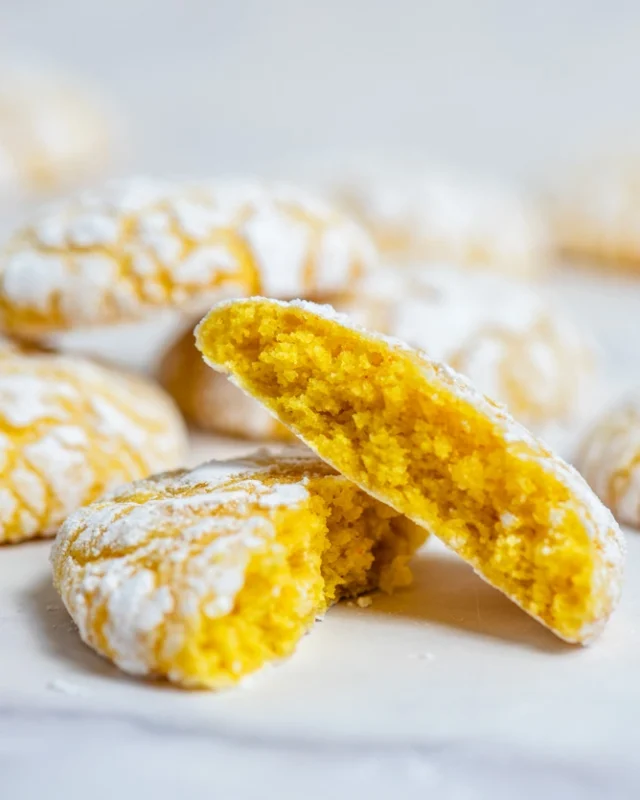 Recipe
Lemon Crinkle Cookies
Soft lemon crinkle cookies with snowy cracked tops and a bright, refreshing citrus flavour.
View recipe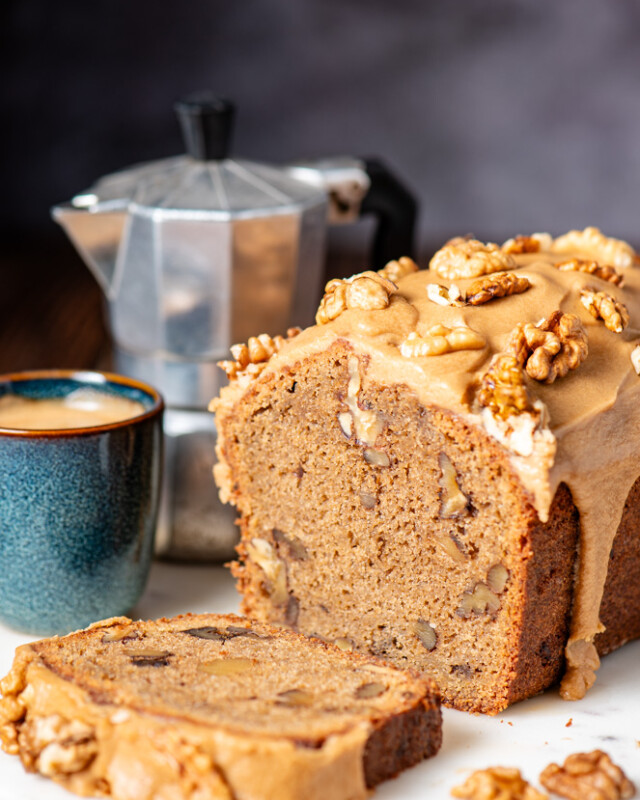 Recipe
Coffee & Walnut Loaf Cake
A moist coffee and walnut loaf cake finished with a smooth espresso and vanilla glaze.
View recipeAround the table
Questions and kitchen notes
Made this recipe? Leave a rating and tell me how it turned out. Your questions and tips may also help the next person making it.
Wow, I have made a few of naan recipes and this was by far the best. The whole family loved them, even the little ones. I don’t think I have ever had a naan this fluffy and light. This will be my staple from now on. Thank you 😊