
From Nigel's Kitchen Table
Homemade Biscoff Biscuits (Belgian Speculoos Cookies)
Crisp homemade Biscoff-style Speculoos biscuits flavoured with warm aromatic spices.
Navigate the recipe
On this page
The recipe, step by step
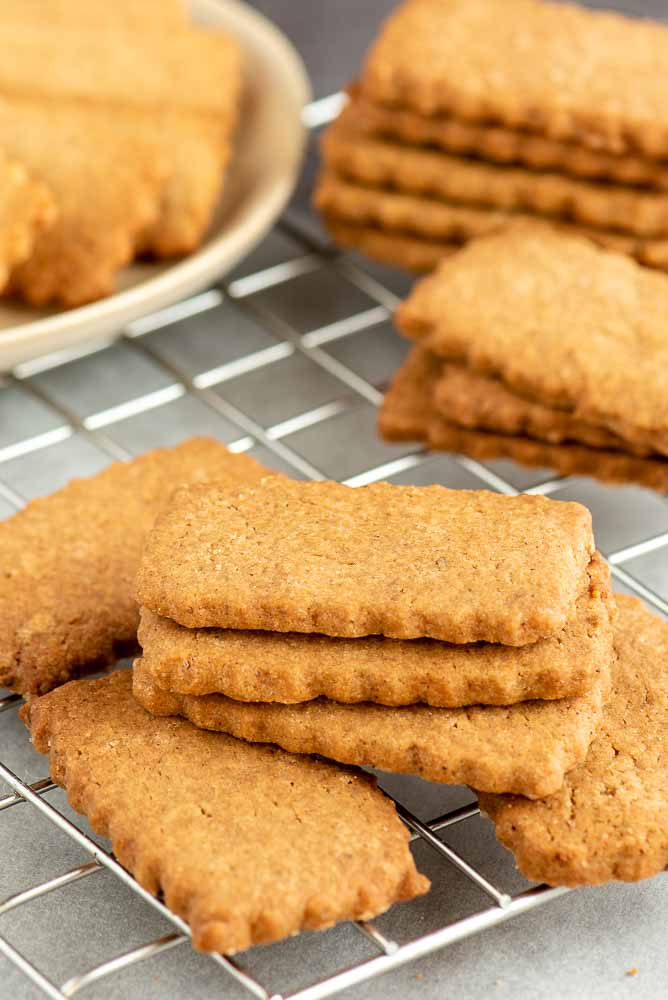
These homemade Biscoff biscuits, also known as Belgian speculoos-style cookies, are crisp, buttery and packed with warm aromatic spices. Cinnamon, nutmeg, cloves and cardamom give them their distinctive flavour, while brown sugar brings a lovely caramelised sweetness.
They are surprisingly simple to make, and there is something particularly satisfying about baking your own version at home. As they bake, the spices fill the kitchen with the most wonderful aroma, and once cooled the biscuits have that crisp texture that makes them particularly good with a cup of coffee.
Speculoos-style biscuits are also incredibly useful in other desserts. Crush them for cheesecake bases, fold them into buttercreams or mousses, or use them in my Millionaire’s Biscoff Bars, where they form the crunchy base beneath peanut caramel and chocolate. For another buttery biscuit recipe, try my Strawberry Linzer Biscuits.
The Story Behind Lotus Biscoff
Lotus Biscoff originated in Belgium, where baker Jan Boone Sr. created his caramelised biscuit in 1932. In the 1950s, the individually wrapped biscuits became particularly associated with being served alongside coffee in cafés and restaurants. Lotus explains that the name Biscoff itself combines the words “biscuit” and “coffee”.
Today, Biscoff is used for much more than accompanying coffee, with the distinctive caramelised biscuit flavour appearing in spreads, desserts and other products.
This homemade version gets very close to that familiar flavour, although the result depends partly on the ingredients you choose. Even when you cannot find the exact sugar or spices specified in the recipe, you will still end up with a deliciously crisp, warmly spiced biscuit.
Recipe Highlights
- Ease: Easy, with the dough made in one bowl or food processor.
- Taste: Buttery and caramelised with cinnamon, nutmeg, cloves and cardamom.
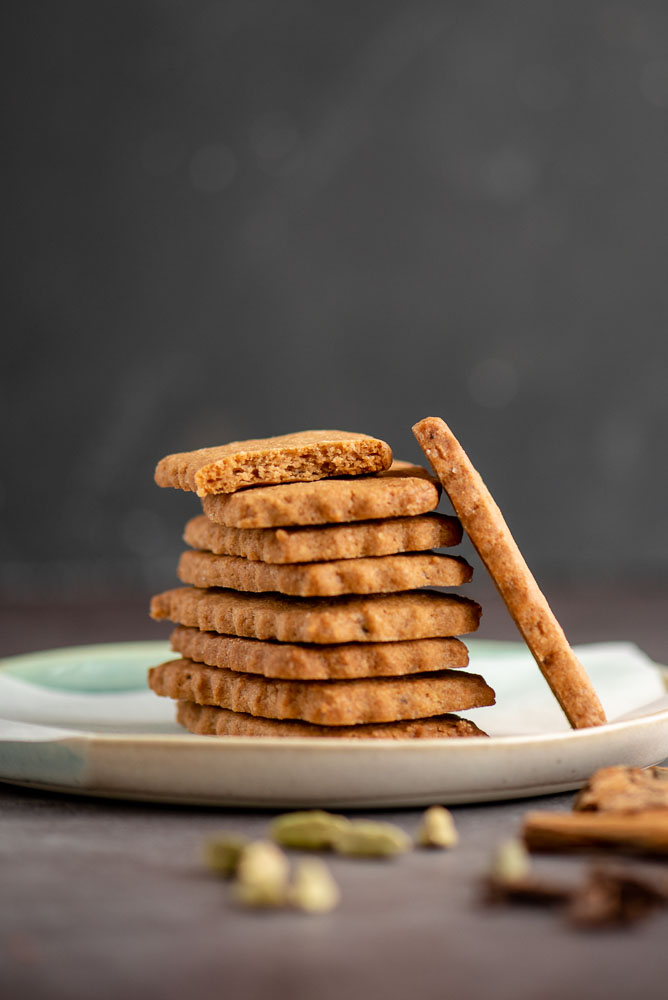
- Texture: Thin and crisp with lightly browned edges.
- Serving: Delicious on their own or served with coffee.
- Quantity: 25 biscuits.
- Preparation: 13 minutes.
- Baking: 12 minutes.
- Chilling: 15 minutes.
- Total time: 40 minutes.
- Biscuit size: Approximately 3 × 6 cm.
Why You’ll Love These Homemade Biscoff Biscuits
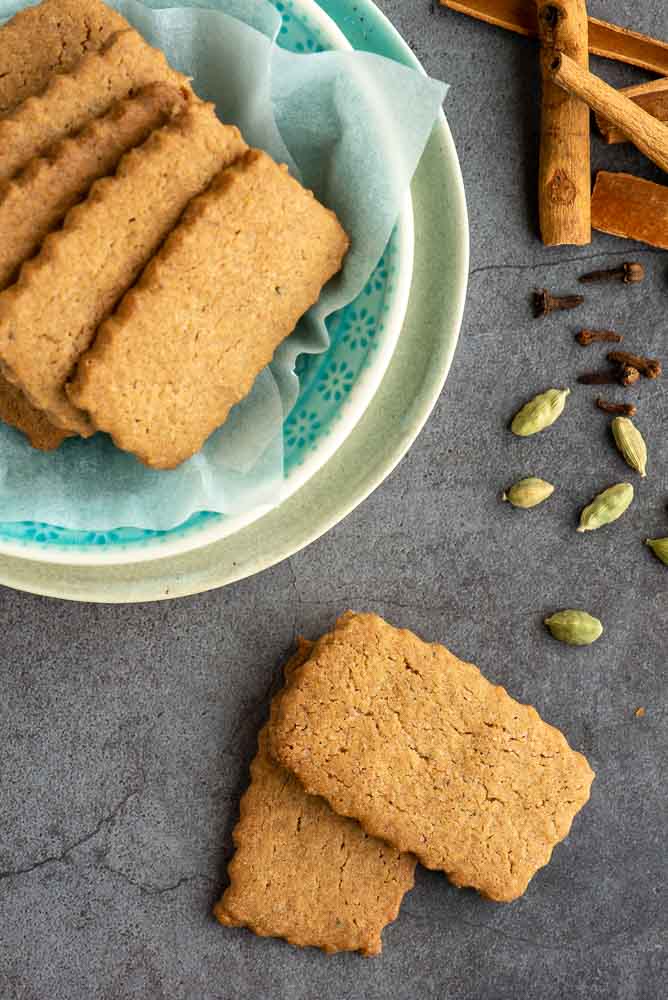
These biscuits look quite simple, but the combination of spices gives them a surprising amount of flavour. Ceylon cinnamon provides the main warmth, while smaller amounts of nutmeg, cloves and cardamom create the characteristic aromatic finish.
The dough is also straightforward to prepare. Everything comes together in one bowl or food processor, and there are two different ways to roll it depending on how precise you want the biscuits to be.
My preferred method is to roll the dough between two sheets of parchment paper. It keeps additional flour to a minimum and makes it easier to produce thin, evenly sized biscuits.
There is also a quicker traditional method using a lightly floured work surface. It is easier, although the dough absorbs a little more flour, which can make the finished biscuits slightly firmer.
And once you have mastered the basic recipe, the biscuits are useful for far more than simply eating with coffee. They make an excellent base or flavour addition for cheesecakes, bars and other desserts.
Ingredients and Substitutions
- Butter: Use 75 g butter. It adds richness and helps create the crisp, delicate texture. The butter should be soft enough to mix smoothly with the sugar.
- Light brown sugar: Use 100 g light brown sugar. It contributes sweetness, caramel flavour and crispness. For the closest result to the original style, I specifically recommend Belgian brown sugar made from beet sugar rather than cane sugar.
- Egg: Use ½ a medium egg, approximately 30 g. Beat the egg first so it is easier to measure half accurately.
- Ceylon cinnamon: Use 2 teaspoons ground Ceylon cinnamon. This is the main spice in the biscuits and gives them their characteristic warm flavour.
- Nutmeg: Use ¼ teaspoon ground nutmeg.
- Cloves: Use ¼ teaspoon ground cloves. A small amount is enough because cloves have a particularly strong flavour.
- Cardamom: Use ¼ teaspoon ground cardamom for a warm, aromatic note.
- Fine sea salt: ¼ teaspoon fine sea salt.
- Baking powder: Use ½ teaspoon baking powder. It provides a small amount of lift without turning these thin biscuits soft or cakey.
- Plain flour: Use 125 g plain flour, also known as all-purpose flour. Avoid adding unnecessary extra flour because it can make the biscuits harder.
How to Make Homemade Biscoff Biscuits
Make the Dough
1. Cream the butter and sugar: In a food processor or large mixing bowl, mix the brown sugar and butter together until creamy and smooth.
2. Add the remaining ingredients: Add the measured half egg and mix again. Then add the cinnamon, nutmeg, cloves, cardamom, salt, baking powder and flour. Mix only until the dough comes together, as overmixing can make the biscuits tough. Form the dough into a ball.
Choose How to Roll the Dough
3. Choose your rolling method: You can roll the dough between two sheets of parchment paper or roll it conventionally on a lightly floured work surface. Rolling between parchment adds less extra flour and produces a more delicate biscuit. Rolling on flour is easier, but the dough can absorb more flour and the finished biscuits may be slightly harder.
Rolling Method One — Between Parchment
4. Prepare the parchment guide: Draw a 24 × 24 cm / 10 × 10-inch square on a sheet of parchment paper. Mark every 3 cm along one side and every 6 cm along the other. Turn the paper over so that the pencil markings will not touch the dough.
5. Roll the dough: Place the dough on the prepared parchment and flatten it slightly. Lay another sheet of parchment over the top, then use a rolling pin to roll the dough out to fit the marked square.
6. Chill the dough: Place the rolled dough in the freezer for 15 minutes or in the refrigerator for 45 minutes. Chilling firms the dough and makes it much easier to handle and cut.
Rolling Method Two — Floured Work Surface
7. Roll on a floured surface: Form the dough into a ball and place it on a clean work surface lightly dusted with flour. Dust the top of the dough and your rolling pin with a little more flour, then roll the dough into a rectangle approximately 4 mm / 3⁄16 inch thick. If necessary, slide an offset spatula beneath the dough to loosen it from the work surface.
Cut and Bake the Biscuits
8. Preheat the oven: Heat the oven to 180°C / 160°C fan / 350°F / Gas 4. Line a baking tray with baking or parchment paper or a silicone baking mat.
9. Cut the biscuits: Using a fluted pastry wheel, cut the chilled dough into rectangles using the guide marks from the parchment method, or cut it into approximately 3 × 6 cm strips. Transfer the biscuits to the prepared tray, leaving around 2 cm / 1 inch between each one to allow for spreading.
10. Bake: Place the tray in the centre of the oven and bake for 10–12 minutes, until the biscuits are lightly browned around the edges.
11. Cool: Leave the biscuits on the baking tray for 5 minutes, then carefully transfer them to a wire cooling rack and allow them to cool completely.

Variations
Add Different Spices
The cinnamon, nutmeg, cloves and cardamom give these biscuits their characteristic flavour, but you can experiment with small amounts of other warming spices.
Try adding a little anise or white pepper for a different aromatic finish.
Adjust the Spice Balance
If there is a particular spice you enjoy, you can alter the balance slightly while keeping cinnamon as the main flavour.
Cloves and cardamom are particularly powerful, so I would increase those cautiously.
Use Them in Other Desserts
Instead of serving all the biscuits on their own, crush some and use them as a biscuit base or dessert ingredient.
They work particularly well in my Millionaire’s Biscoff Bars.
Nigel’s Recipe Tips
Use Room-Temperature Ingredients
Room-temperature butter is much easier to combine smoothly with the sugar and helps the ingredients come together evenly.
Avoid Overmixing
Once the flour has been added, mix only until the dough comes together.
Overworking the dough can develop the gluten in the flour and make the finished biscuits harder.
Expect the Dough to Be Sticky
The dough is supposed to be relatively sticky, so resist the temptation to keep adding flour.
The parchment-paper method is particularly useful because you can roll the dough without incorporating much additional flour.
Try the Parchment Method for a More Delicate Biscuit
Rolling the dough between parchment sheets keeps the dough from sticking without needing to dust it heavily with flour.
This helps keep the final biscuits closer to the intended crisp, delicate texture.
Chill Before Cutting
Do not skip the chilling stage.
The dough needs to firm before it can be cut neatly into thin rectangles. Use 15 minutes in the freezer for the fastest method or 45 minutes in the refrigerator.
Roll the Dough Evenly
Aim for approximately 4 mm / 3⁄16 inch thick.
Keeping the dough at an even thickness means the biscuits will bake at roughly the same rate.
Watch Them Towards the End
These biscuits are thin, so they can move from golden to overbaked quite quickly.
Begin checking them towards the end of the 10–12 minute baking time and remove them once the edges are lightly browned.
Let Them Firm Up on the Tray
Freshly baked biscuits are more fragile while hot.
Leave them on the baking tray for the full 5 minutes before transferring them to a wire rack.
Frequently Asked Questions
What Are Speculoos Biscuits?
Speculoos are thin, crisp, warmly spiced biscuits associated with Belgium and neighbouring parts of Europe.
Lotus Biscoff is the branded caramelised biscuit produced by Lotus Bakeries.
Why Is It Called Biscoff?
According to Lotus, the name Biscoff combines “biscuit” and “coffee”, reflecting the biscuit’s long association with being served alongside coffee.
Why Is My Biscoff Dough Sticky?
That is normal for this recipe.
Avoid adding unnecessary flour. Instead, roll the dough between two sheets of parchment and chill it before cutting.
Should I Chill the Dough in the Freezer or Refrigerator?
Either method works.
Chill it for 15 minutes in the freezer or 45 minutes in the refrigerator.
Why Are My Biscuits Hard?
Too much additional flour or overmixing can make the biscuits harder.
The floured work-surface rolling method naturally introduces more flour than rolling between parchment, so expect a slightly firmer result when using that method.
How Thick Should I Roll the Dough?
Aim for approximately 4 mm / 3⁄16 inch.
How Do I Know When the Biscuits Are Baked?
Bake them for approximately 10–12 minutes and look for the edges to become lightly browned.
Can I Use These Biscuits in Other Recipes?
Absolutely. They can be crushed for dessert bases or incorporated into other bakes.
They are especially good in my Millionaire’s Biscoff Bars.
Tools You’ll Need
- Food processor or large mixing bowl
- Digital kitchen scales
- Rolling pin
- Parchment paper
- Silicone baking mat, optional
- Flat baking tray
- Fluted pastry wheel or sharp cutter
- Offset spatula, optional
- Wire cooling rack
Storage and Freezing
Storing
These homemade Biscoff biscuits are particularly good when freshly baked, but they will keep for up to 1 week in an airtight container at room temperature.
Allow them to cool completely before storing them so that trapped steam does not soften the crisp biscuits.
Freezing
Allow the baked biscuits to cool completely, then place them in a freezer-safe bag or airtight container.
They can be frozen for up to 1 month.
When you are ready to serve them, remove the biscuits from the freezer and allow them to return fully to room temperature.
Nutrition
Serving: One Biscoff biscuit, approximately 10 g.
57.42 kcal
CALORIES · 3% DV
2.61 g
TOTAL FAT · 4% DV
7.98 g
CARBOHYDRATES · 3% DV
3.91 g
SUGARS · 4% DV
0.71 g
PROTEIN · 1% DV
14.13 mg
SODIUM · 1% DV
0.26 g
FIBRE · 1% DV
% Daily Values based on a 2,000-calorie diet
Nutrition information is provided as an estimate and may vary depending on the ingredients and portion size used.
Homemade Biscoff biscuits (AKA Belgian Speculoos cookies)
INGREDIENTS LIST
- 75 g butter
- 100 g light brown sugar (preferably Belgian sugar which comes from beets not cane sugar)
- ½ medium egg (only half the egg = 30g )
- 2 tsp ground cinnamon (ceylon)
- ¼ tsp ground nutmeg
- ¼ tsp ground cloves
- ¼ tsp ground cardamom
- ¼ tsp fine sea salt
- ½ tsp baking powder
- 125 g plain flour (all-purpose)
Preparation
- In a food processor or large mixing bowl, mix the sugar with the butter until creamy and smooth.
- Add the egg and mix again, then add the remaining ingredients and mix until the dough comes together. Avoid over mixing as it will cause the dough to become tough. Form a ball with the dough.
- Rolling: You can use one of two methods for rolling the dough out. Method one is using 2 sheets of parchment paper, the second is using flour on your kitchen worksurface. The latter is easier but means that your dough absorbs more flour and the biscuits become slightly harder.
- Rolling method one: Draw a 24 x 24 cm (10" x 10") square on a sheet of parchment paper. Mark every 3 cm along one side, and then mark every 6 cm along the other. Flip over so the pencil side isn't touching the dough.Tip the dough onto the sheet of parchment and flatten slightly. Place another sheet of parchment over the top of the dough. Now roll the dough out to fit the square using a rolling pin.Place in the freezer for 15 minutes or the fridge for 45 minutes. This will help the dough firm up so that it is easier to work with and cut out.
- Rolling method two: Form a ball with your dough and place it onto a clean worksurface, dusted with flower. Dust the top of the dough and a rolling pin with some flour, then roll the dough into a rectangular shape, to a thickness of 4 mm (3/16"). If necessary, use an offset spatula to slide under the dough to loosen it from the work surface.
- Preheat the oven to 180°C / 160°C fan / 350°F / Gas 4. Line a baking tray with baking/parchment paper or a silicone mat.
- Cutting: With a fluted pastry wheel, cut the dough into rectangles, using the markings you made earlier or cutting the dough into 3 x 6 cm strips. Transfer to your prepared baking tray, leaving 2 cm (1") between each piece to account for spread.
- Baking: Place the tray in the centre of the oven and bake for 10-12 minutes, until the biscuits are lightly browned at the edges.
- Leave for 5 minutes on the tray, then transfer them to a wire rack and leave them to cool.
Notes & Tips
FROM MY KITCHEN TO YOURS
Made this recipe?
I would love to hear how it turned out. Leave a comment and add a star rating to help other home cooks discover the recipe.
A recipe worth keeping
Save this recipe for another day
Pin it to one of your boards and keep it close for the next time you are ready to cook or bake.
Save to PinterestKeep cooking
You may also like
 Recipe
Chocolate Chia Pudding
A creamy vegan chocolate chia pudding topped with rich hazelnut fudge sauce for a simple, satisfying dessert or breakfast.
View recipe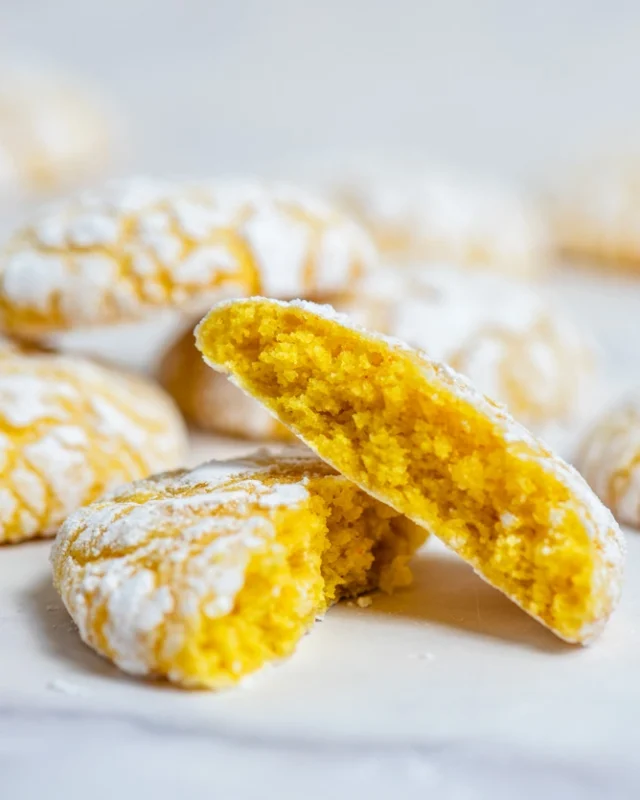 Recipe
Lemon Crinkle Cookies
Soft lemon crinkle cookies with snowy cracked tops and a bright, refreshing citrus flavour.
View recipe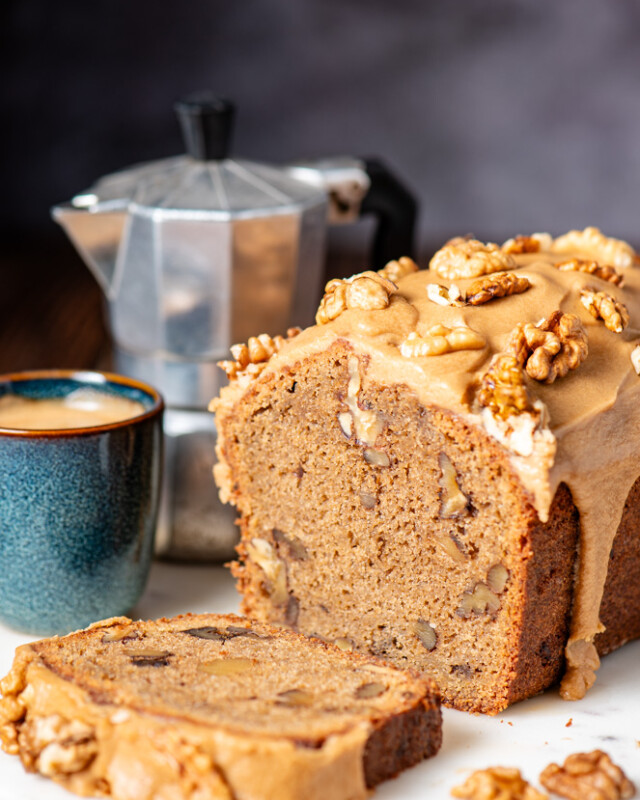 Recipe
Coffee & Walnut Loaf Cake
A moist coffee and walnut loaf cake finished with a smooth espresso and vanilla glaze.
View recipeAround the table
Questions and kitchen notes
Made this recipe? Leave a rating and tell me how it turned out. Your questions and tips may also help the next person making it.
I loved these cookies, I made them just as directed. They have a buttery quality and are not too sweet. The spices remind me of fall and I can’t stop eating them. I have also used them as a substitute for graham crackers in a graham cracker crust recipe and it is delicious.
I am so happy to hear that you like the recipe and that you have used it for making other recipes. Thanks for commenting and happy baking!